

Donor Breast Milk: What It Is, When It’s Used, and What Phoenix Families Should Know
Jump To:
When feeding your baby doesn’t go exactly how you imagined, it can bring up a lot of questions—and sometimes, a little panic.
One option that comes up more and more is donor breast milk.
Let’s talk about what it is, when it can be helpful, and what you should know before using it.
What is donor breast milk?
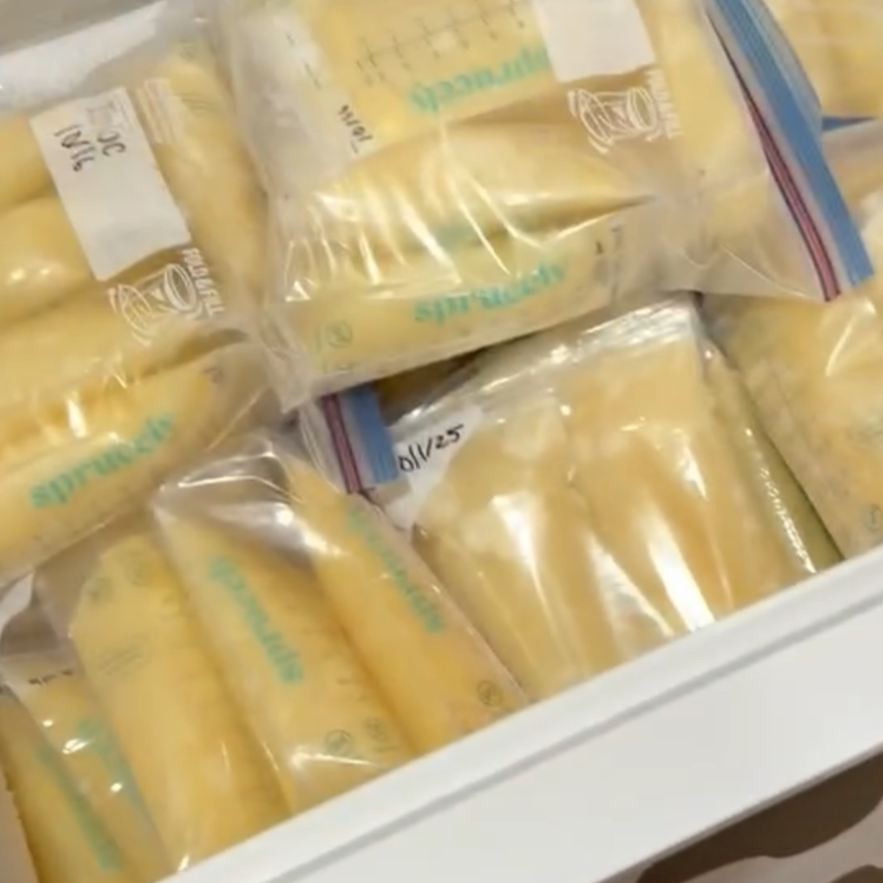
Donor breast milk is exactly what it sounds like: human milk that has been expressed by one parent and given to another baby.
It can come from:
Formal milk banks (which screen and pasteurize milk)
Informal community sharing (like local networks, friends, or parent groups)
At Bump to Baby AZ, our donor milk comes from generous local families who have extra milk and choose to share it with others in need.
Why would a family use donor milk?
There are so many valid reasons a family might turn to donor milk:
Baby is born early or has medical needs
Milk supply is still building in the early days
Temporary separation from baby
Painful latch or feeding challenges
Supplementation while working toward breastfeeding goals
Personal or emotional comfort with using human milk over formula
For some families, donor milk is a short-term bridge.
For others, it’s part of a longer feeding plan.
There’s no one “right” reason—just what works for you and your baby.
Is donor milk safe?
This is where things can vary—and where transparency really matters.
Milk from accredited milk banks goes through:
Donor health screening
Blood testing
Pasteurization
Informal donor milk (like community-shared milk) typically does not go through those same processes.
At Bump to Baby AZ, our donor milk:
Is shared by local families
Is not screened for vaccines or medical history through a formal process
Is not pasteurized
That doesn’t make it “bad”—but it does mean families should make an informed decision about what feels right for them.
Things to consider when using donor milk
If you’re thinking about using donor milk, here are a few things to think through:
1. Your comfort level with screening
Are you okay using milk that hasn’t gone through formal screening? Some families are, some aren’t.
2. Your baby’s health needs
Premature or medically fragile babies may have different recommendations from their care team.
3. Communication with the donor (if applicable)
In informal sharing, some families choose to ask about:
Medications
Lifestyle factors
Diet
Illness history
4. Storage and handling
Proper freezing, thawing, and handling matters for safety.
What donor milk is NOT
Let’s clear up a few common misconceptions:
It’s not “better parenting” than using formula
It’s not required for a healthy baby
It’s not a magic fix for feeding challenges
It’s simply one option in a much bigger picture.
Our approach
At Bump to Baby AZ, we believe in:
Giving families access to options
Being transparent about what those options involve
Supporting you without pressure or judgment
Whether you use your own milk, donor milk, formula, or a combination—we’re here to help you feed your baby with confidence.
Final thoughts
If you’re considering donor milk, you don’t have to figure it out alone.
There’s a lot of noise out there—and a lot of opinions. What matters most is finding a plan that feels safe, sustainable, and aligned with your values.
And if you need help sorting through it all, we’re here for that too.
In need of donor milk?
Direct Message @BumptoBaby.AZon Instagram or contact us through the BumptoBabyAZ.com contact form and we can coordinate a pick up.